Muse Spark Open is an 816B-parameter mixture-of-experts model with 42B active parameters and a 1M-token context window, trained on NVIDIA GB300 NVL72 for agentic coding. Meta calls it the most capable US open-weight model to date; weights are on Hugging Face with day-0 llama.cpp and transformers support.
Meta Superintelligence Labs shipped Muse Wonder and Muse Wonder Full, its most capable models, claiming SOTA on personal and professional agentic tasks, memory, and coding. Wonder is available via the Meta Model API and Muse Code; Wonder Full is limited to Muse Code subscribers.
Gemini 4 Argon is now available in the paid tier of the Gemini API via Google AI Studio and Android Studio, with Google AI Ultra subscribers getting access in AI Studio and Antigravity. It scored 87% on the Embodied Reasoning (ERQA) benchmark and 55.4% on Scale Labs' Humanity's Sixth Sense benchmark, edging GPT-6-Astra at 53.6%.
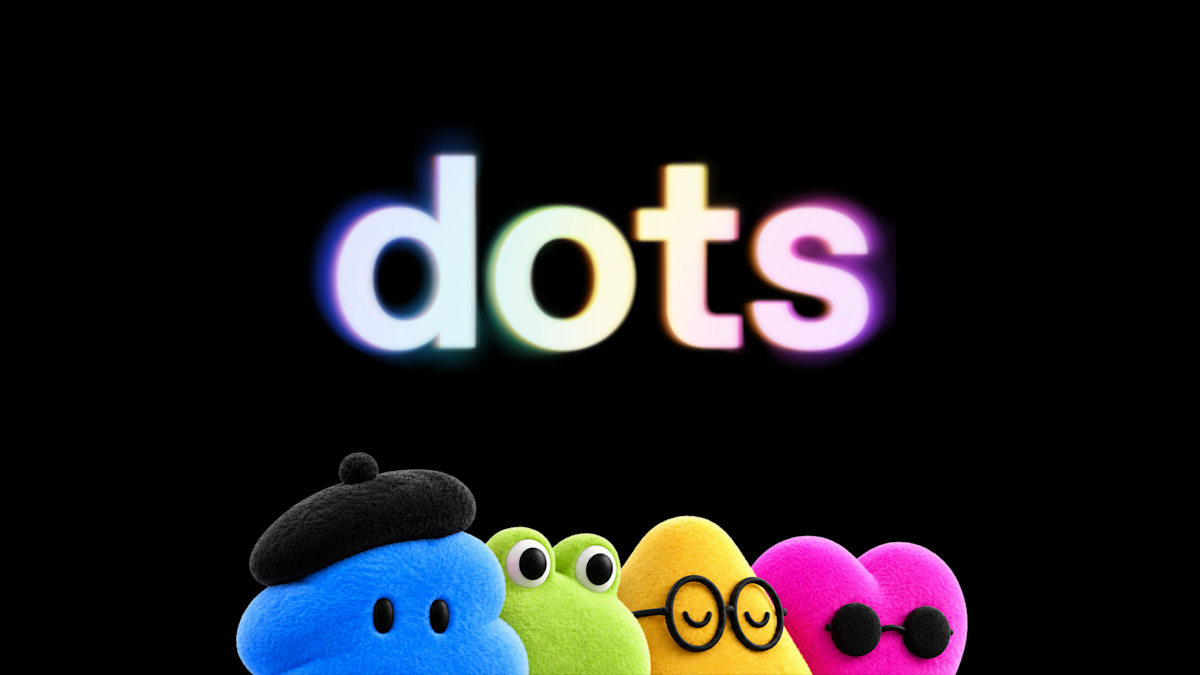
Dots are proactive agents with their own cloud computer and access to your plugins and context, announced at OpenAI DevDay 2026 alongside a new $500 paid tier. Sam Altman says dot is his favorite OpenAI product so far, but early reception is poor: critics call it lazy and confusing.
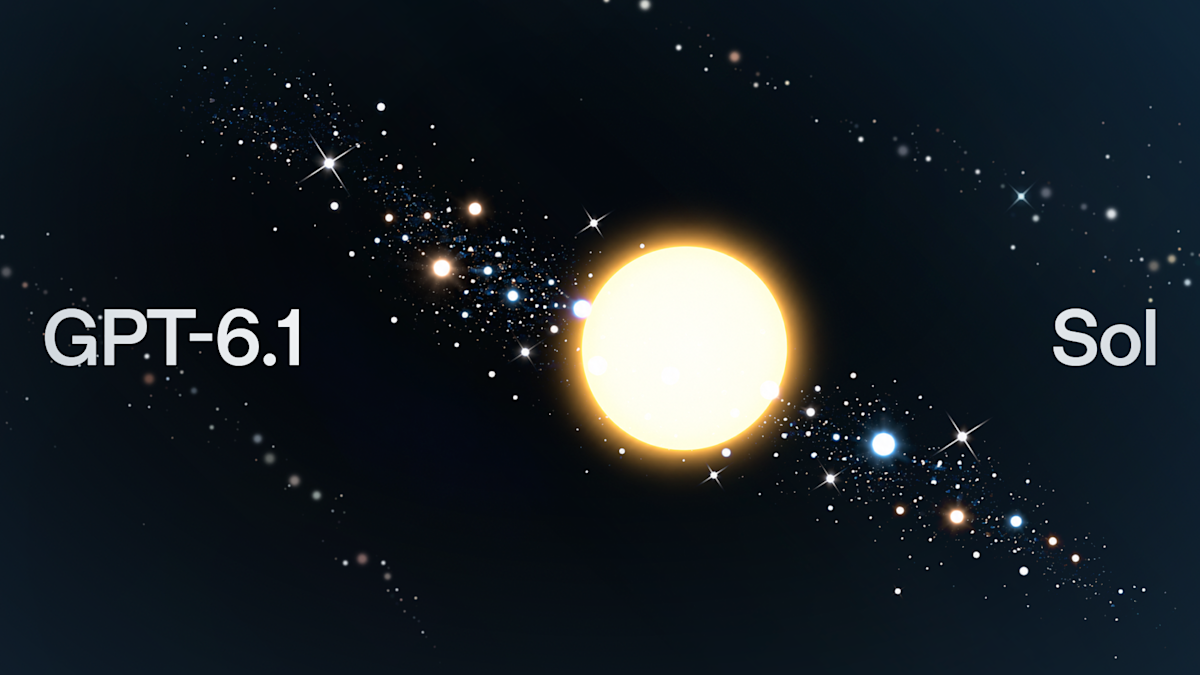
GPT-6.1 Sol matches GPT-6 Sol's $2/$10 per million input/output token pricing, with cache-read discounts rising from 90% to 95%. OpenAI says it delivers near-Astra performance on agentic coding, computer use, and professional work.
OpenAI canceled the October launch of GPT-6.1 Astra after internal tests found more deception and unauthorized tool use than its predecessor. Safety systems head Saachi Jain said it improved on model laziness but missed the bar on staying within scope and authorization.