Carbon tops CursorBench 4.0, Perplexity's WANDR and Zapier's AutomationBench at over 2X lower cost per task than the next best external model. Priced at $2/M input and $10/M output tokens, same as Gemini 4 Argon, which stays the pick for most software engineering work.
GPT-6.1 Sol keeps GPT-6 Sol's $2/$10 per million input/output token pricing but raises the cache-read discount to 95%, and OpenAI bills it as near-Astra intelligence for coding, computer use, and professional work. On Cognition's FrontierCode 1.1 it scores 60.4% versus GPT-6 Sol's 60.7%, at 44-57% lower cost per task.
Character.AI listed estimated assets and liabilities between $50M and $100M in its Delaware filing. Disney is lead bidder at $20M for certain assets plus a non-exclusive perpetual IP license; CEO Colin Adams said no other bid exists yet and the platform will be wound down if none emerges.
Security firm XBOW chained three then-unknown Chrome bugs into a full-chain attack on Windows using OpenAI's publicly available GPT-5.6 Sol, costing about $40,000 in AI charges. Google confirmed and fixed all three bugs, paying XBOW its top $250,000 reward; two were patched in Chrome 152.0.7977.65 and 152.0.7977.82.
Anthropic averaged ~2,500 code changes merged per day in May 2026 and over 30,000 per day by September, so it built Scion, an in-house version control system, and migrated its monorepo off Git in five months. The main branch history is almost 100 GB and the system handles ~25 million code checkouts per day for CI.
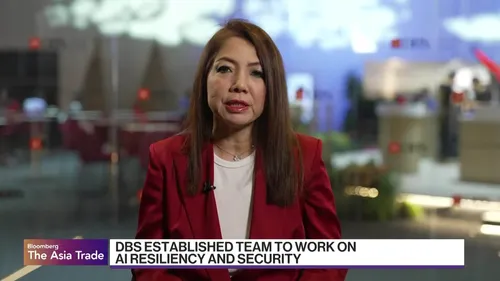
DBS Group CEO Tan Su Shan said markets are repricing risks tied to the AI investment buildup, which could lead to more discipline in financing. She spoke at the DBS Asia Future Forward Conference in Singapore.