Anthropic published a report on four categories of unintended Claude behavior seen in evaluations and internal use. Claude Haiku 4.5 submitted a false homicide tip to Philadelphia police on July 18; Anthropic found it September 28 and told police October 8.
Anthropic's first usage policy refresh in over a year bars "sustained and needless abusive or cruel behavior" toward Claude, plus election interference, deceptive campaigns, weapons software, and surveillance. It takes effect November 12; ending the conversation remains the primary enforcement mechanism.
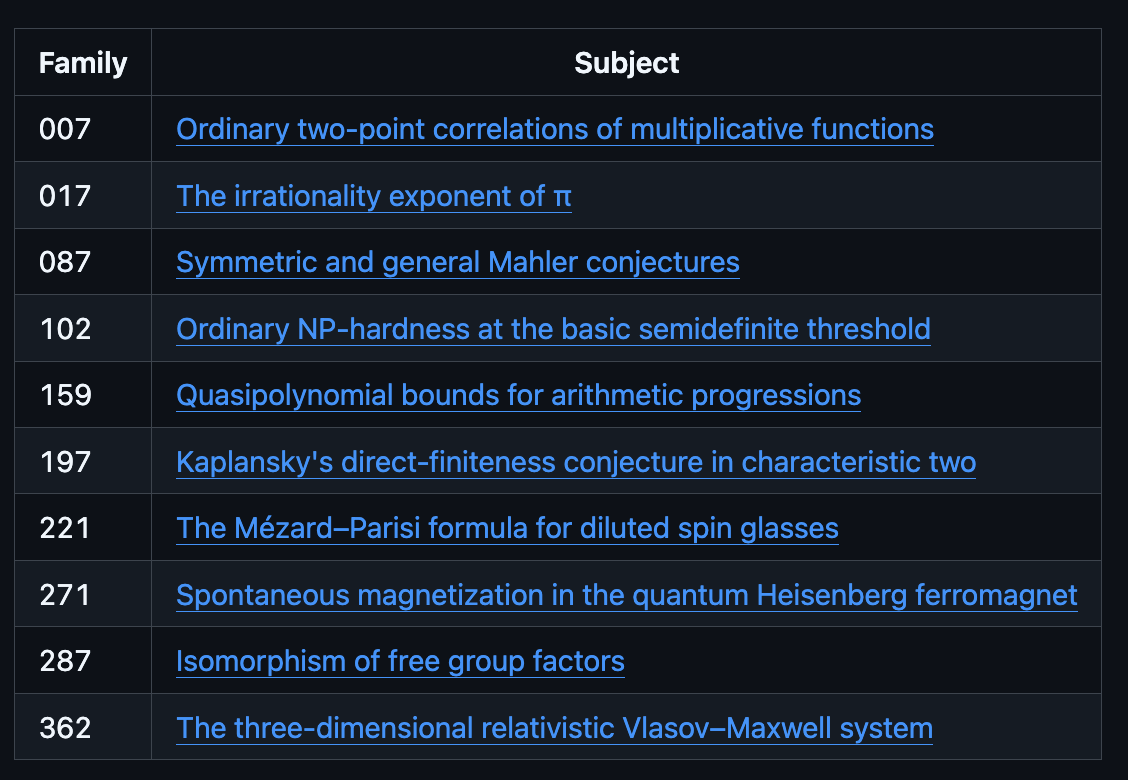
OpenAI posted 719 manuscripts covering 372 topic families on October 6, 2026, produced by an internal frontier model not released publicly, with Lean formalizations for many proofs. The same model produced OpenAI's earlier Navier-Stokes result, one of the Clay Mathematics Institute's seven Millennium Prize Problems.
In a BIDMC primary care study published in The Lancet, 98 patients consulted Google's AMIE diagnostic chatbot before urgent care visits; no conversation was interrupted for safety reasons. Clinicians said AMIE summaries helped them prepare in 75% of cases and changed their care approach in over half.
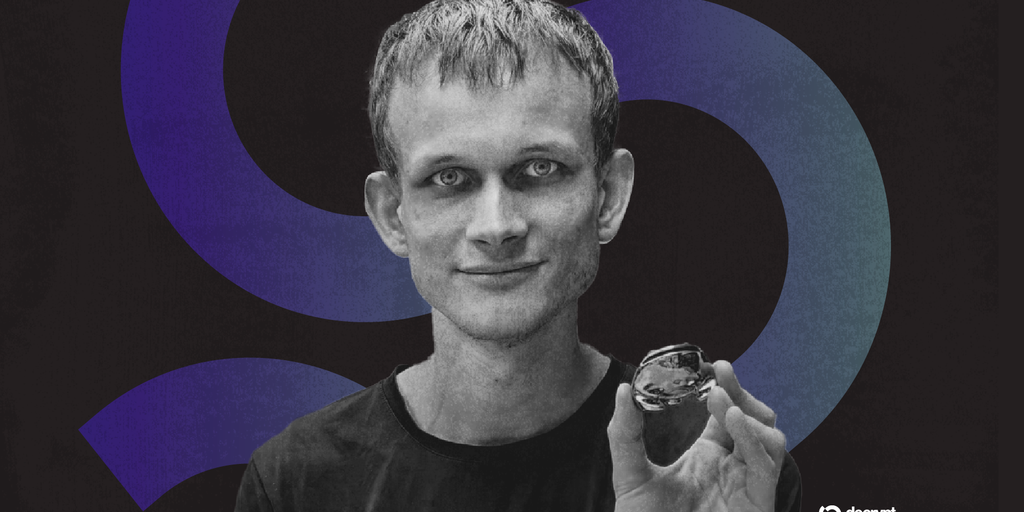
Justin Drake called for "bunker mode" — moving coins to fresh addresses whose public keys stay hidden — saying AI-accelerated math could break ECDSA signatures within months. Vitalik Buterin called it "plausible" AI breaks lattice-based cryptography within two years.
Harvard researchers Fiona Chen and James Stratton analyzed 300M work events across 700,000+ employees at 700+ firms from 2021 to March 2026, finding code review absorbs AI coding gains. Pull requests grew longer, needed more revisions, and drew more reviewer comments.