GPT-6 Astra is now live in the API, ChatGPT Work, and Codex for Pro, Enterprise, and Business Premium users. OpenAI calls it its best software-engineering model yet, with state-of-the-art results on long-running computer-use benchmarks and new asynchronous tool calling in the Responses API.
GPT-6.1 Sol targets near-Astra performance for coding, computer use, and professional work at 1/5th of Astra's standard API input and output token prices, with cached input at a 95% discount. OpenAI calls it the most cost-efficient model for its performance available today.
OpenAI's DevDay 2026 recap lists more than 20 announcements spanning GPT-6 Astra, ChatGPT, Codex, APIs, security, and new builder tools. The keynote featured Sam Altman, Romain Huet, Tejal Patwardhan, and Holly Li.
Sonnet 5.5 is the second model in the Claude 5.5 family after Opus 5.5, priced unchanged at $2/$10 per million tokens with $0.20 cache reads and a 1M context window. Anthropic says it costs up to 30% less for most work and is now the default Sonnet model on the API.
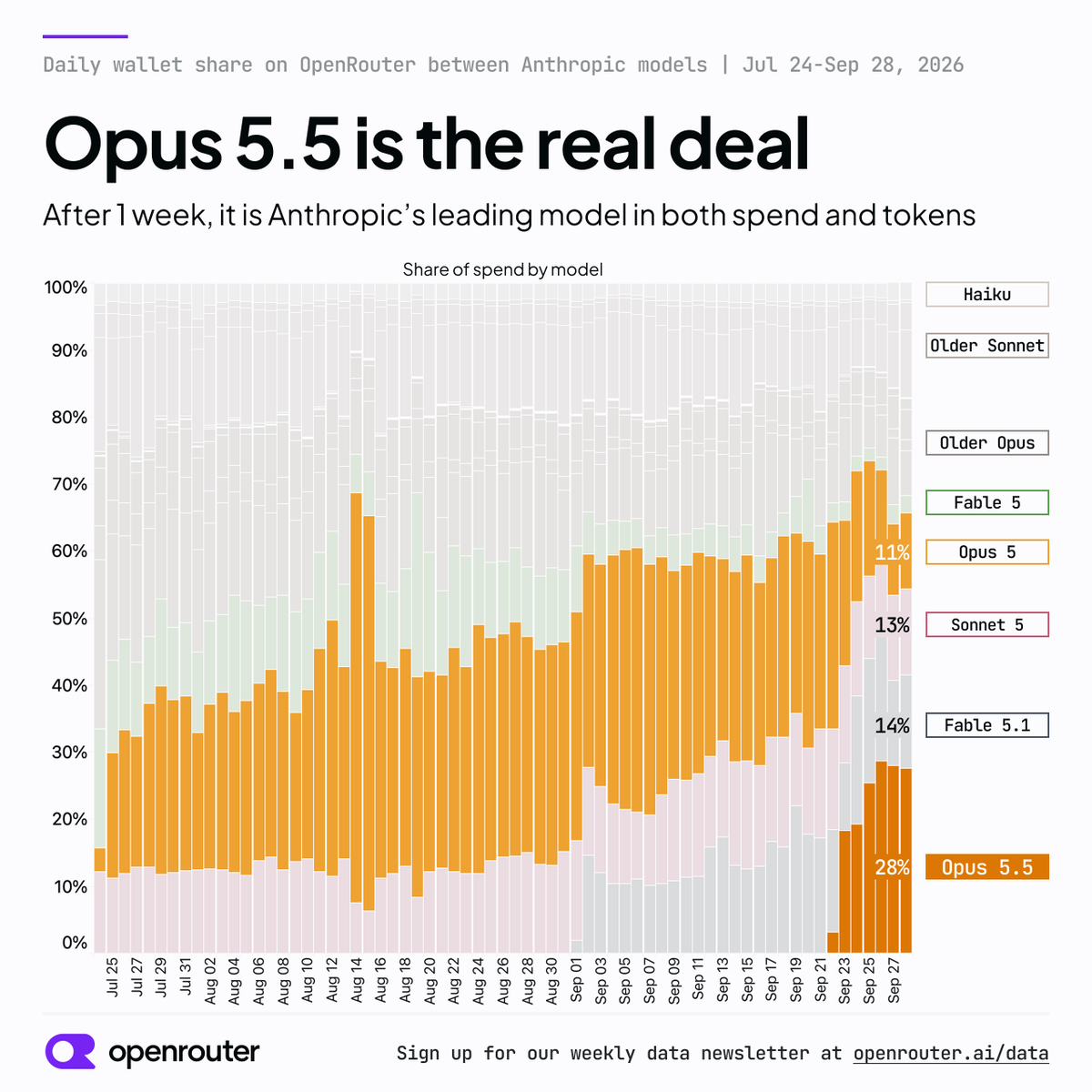
Opus 5.5 leads SimpleBench at 88.4% and climbs from 24% at low reasoning effort to 62% at xhigh on Terminal-Bench-Science, where GPT-6 Astra (max) tops the new leaderboard at 63%. Anthropic says it cut containment-boundary circumvention ~85% versus Opus 5 and Claude Mythos 5.1.
Opus 5.5 is priced at $4/$20 per million input/output tokens with $0.20/Mtok cache reads, cutting input and output costs 20% and cache reads 60% versus Opus 5. Anthropic estimates it runs about 40% cheaper per task and performs at the level of Claude Fable 5.1.