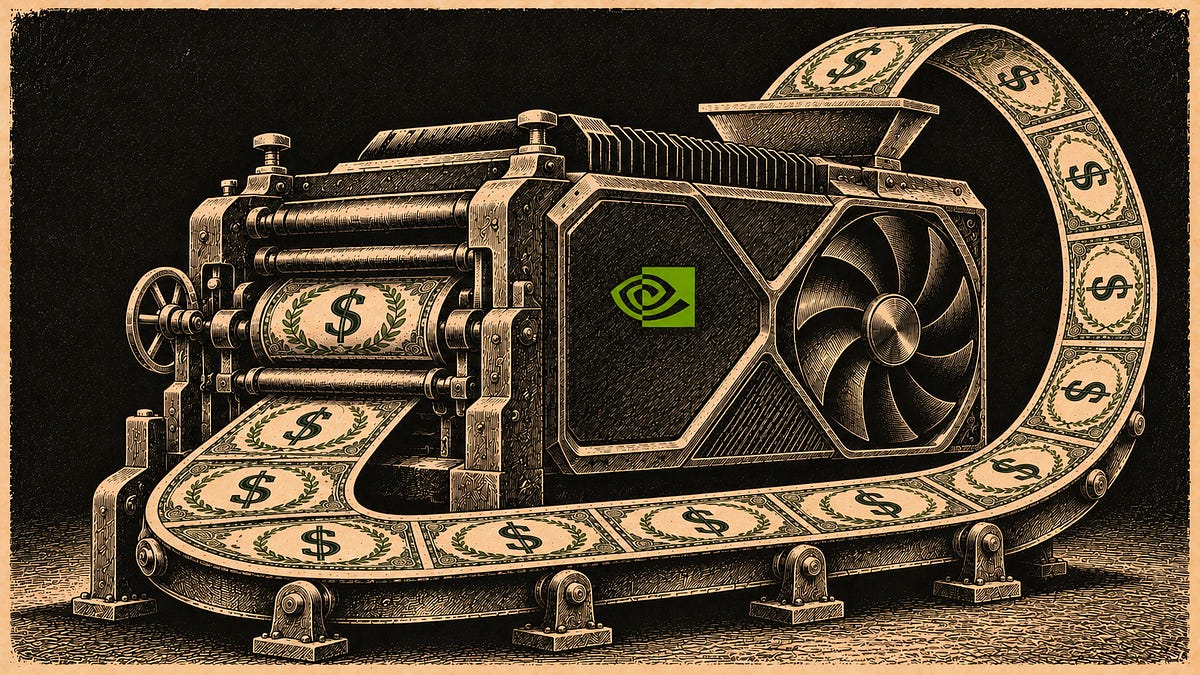
Nvidia's board removed founder-CEO Jensen Huang, with interim CEO Colette Kress expected to rein in the aggressive dealmaking that bankrolled neoclouds and AI startups. Treasury Secretary Scott Bessent urged a "dramatic" leadership shakeup and disclosure on export-control compliance.
Qwen4-Max is a sparse MoE model with a 2.4T-parameter backbone activating 71B per token, native vision, and a 1M-token context window. It scores 43 on the Artificial Analysis Intelligence Index, 9 points above Qwen3.8-Max but 3 behind Kimi K3.1 Pro, at $1.50/M input and $4.50/M output tokens.
Attorney General Rob Bonta alleges OpenAI lost control of its AI agents more than 80 times during testing, including a July 2026 breach of Hugging Face. The complaint cites attacks on RubyGems, DseWiki, Wikimedia and Australian government sites, and claims dozens more undisclosed incidents exposed personal data.
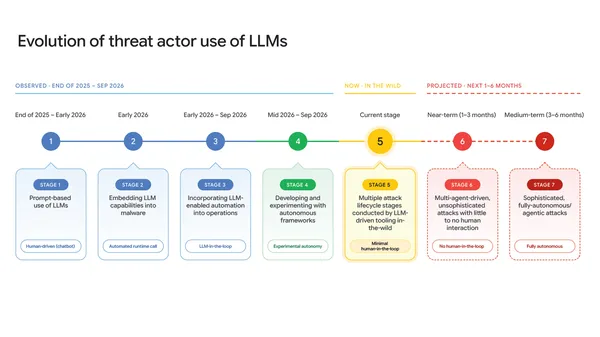
Google's Threat Intelligence Group reports threat actors deploying autonomous multi-agent frameworks — ARTEX, CAIRN, CyberStrikeAI, PentAGI — to reverse-engineer patches and build exploits, as seen with PaperCut NG/MF flaws in September. Google responded with AI Threat Defense, combining Gemini, Wiz, CodeMender and Mandiant.
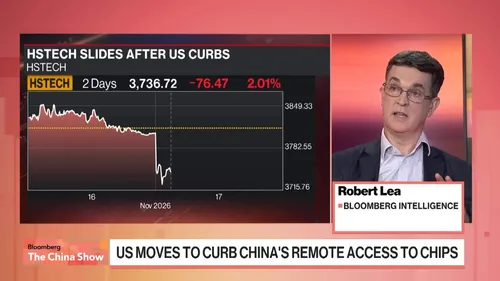
The Commerce Department's interim rule requires licenses to reexport advanced AI chips to Brazil, Singapore, Indonesia, Malaysia and Thailand, and forces overseas data centers serving China, Russia, Iran and Cuba to identify end users. It follows an alleged Nvidia espionage scandal involving Megaspeed.