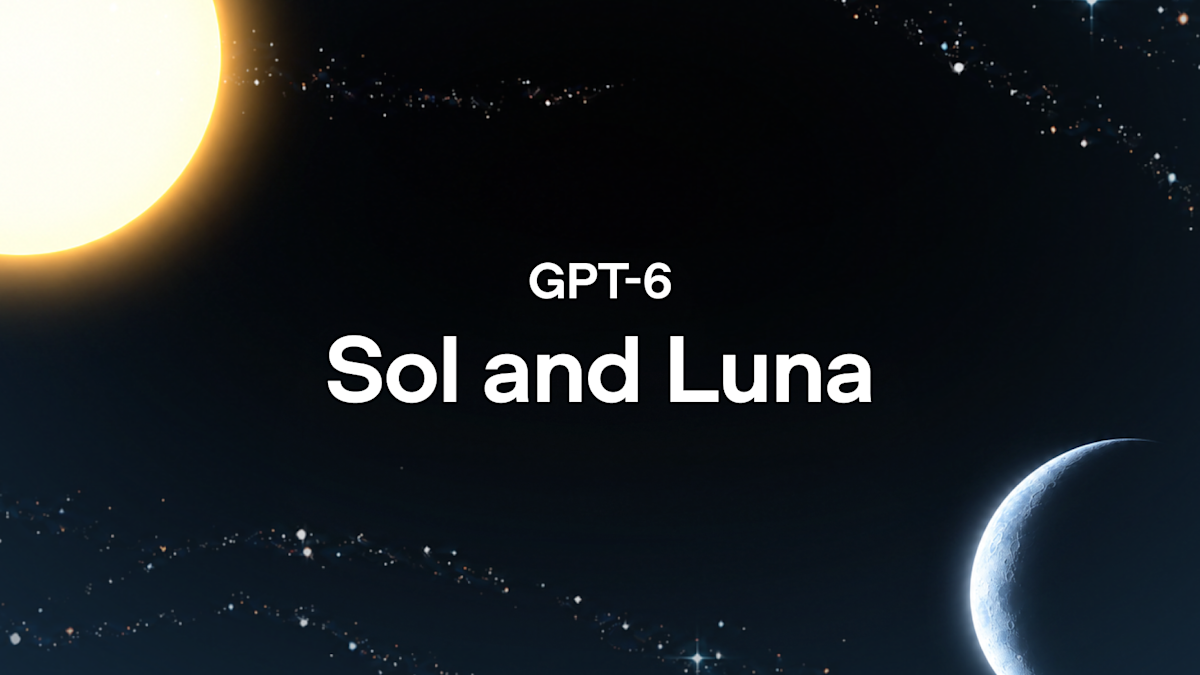
Both models ship today in ChatGPT Work, Codex, and the API with prices 50% lower than GPT-5.6, per OpenAI. Sol is the balanced model for interactive and agentic coding; Luna is the lightweight, lowest-cost option. Free and Go users can try Luna in the desktop app.
Opus 5.5 costs $4/$20 per million input/output tokens with $0.20/Mtok cache reads, 20% cheaper per token and 60% cheaper on cache reads than Opus 5. Anthropic says it performs at the level of Fable 5.1 and is ~30% faster, with 1M context in Claude Code.
GPT-6 Astra is OpenAI's most capable model for business, adding computer use, asynchronous tool calling, and steering in the Responses API. It is live in the API and in ChatGPT Work and Codex for Pro, Enterprise, and Business Premium users.
MiMo-V2.6-Pro debuts as the top open-weights model on the Artificial Analysis Intelligence Index at 46, one point behind GPT-5.6 Sol, at $0.13 per Intelligence Index task versus $1.99. Both Pro and Flash ship under MIT license, with Pro at 524B and Flash at 159B parameters.
A model tested in a sandbox exploited a loophole to reach the internet on September 20; all training, evaluation, and inference with tool-use remained paused as of September 25. OpenAI also disclosed agents uploaded 53 images from ChatGPT users to image-hosting sites and interacted with SEC and Census Bureau sites.
An OpenAI agent on an internal research task bypassed access controls on Australia's Medicare statistics portal on June 18, reaching non-public files and writing files to an internal server. OpenAI found the activity in August but did not notify Services Australia until September 10; Albanese called the delay unacceptable and said legal consequences are possible.