AWS shows multi-turn RL fine-tuning for search agents on SageMaker AI
Read original source →aws.amazon.com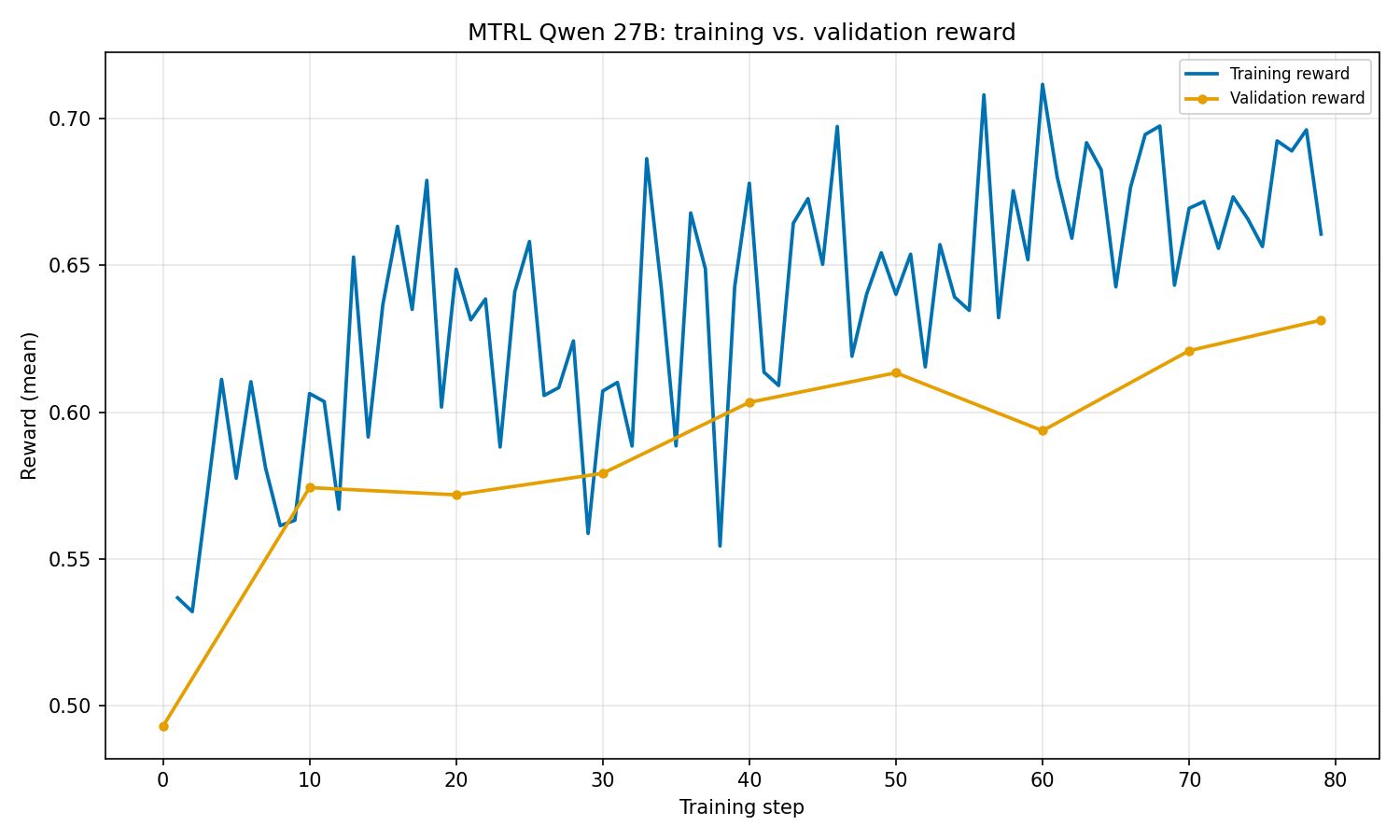
AWS's technical how-to walks through fine-tuning an LLM search agent with multi-turn reinforcement learning on Amazon SageMaker AI, so the agent decides what to search for, which retrieval strategy to use, and when to stop.
1 source

More stories today
Ai2 to present Olmo Hybrid and open research at COLM 2026
Allen Institute for AI (Ai2)·1 hour agoOpenAI Dots discussed in live Instagram session
Casey Newton·1 hour agoGitHub launches computer use in Copilot CLI and desktop app
GitHub shipped computer use in public preview on Thursday, letting Copilot CLI and the desktop app operate macOS and Windows applications by reading app content and clicking, typing, scrolling, and dragging. It works in older GUI-only software with no API or CLI.
The New Stack·1 hour ago

OpenAI's 'dot' praised as it learns user workflows
Sam Altman·1 hour agoExplainer: SOMs, the decision models behind TypeSafe AI's Jev
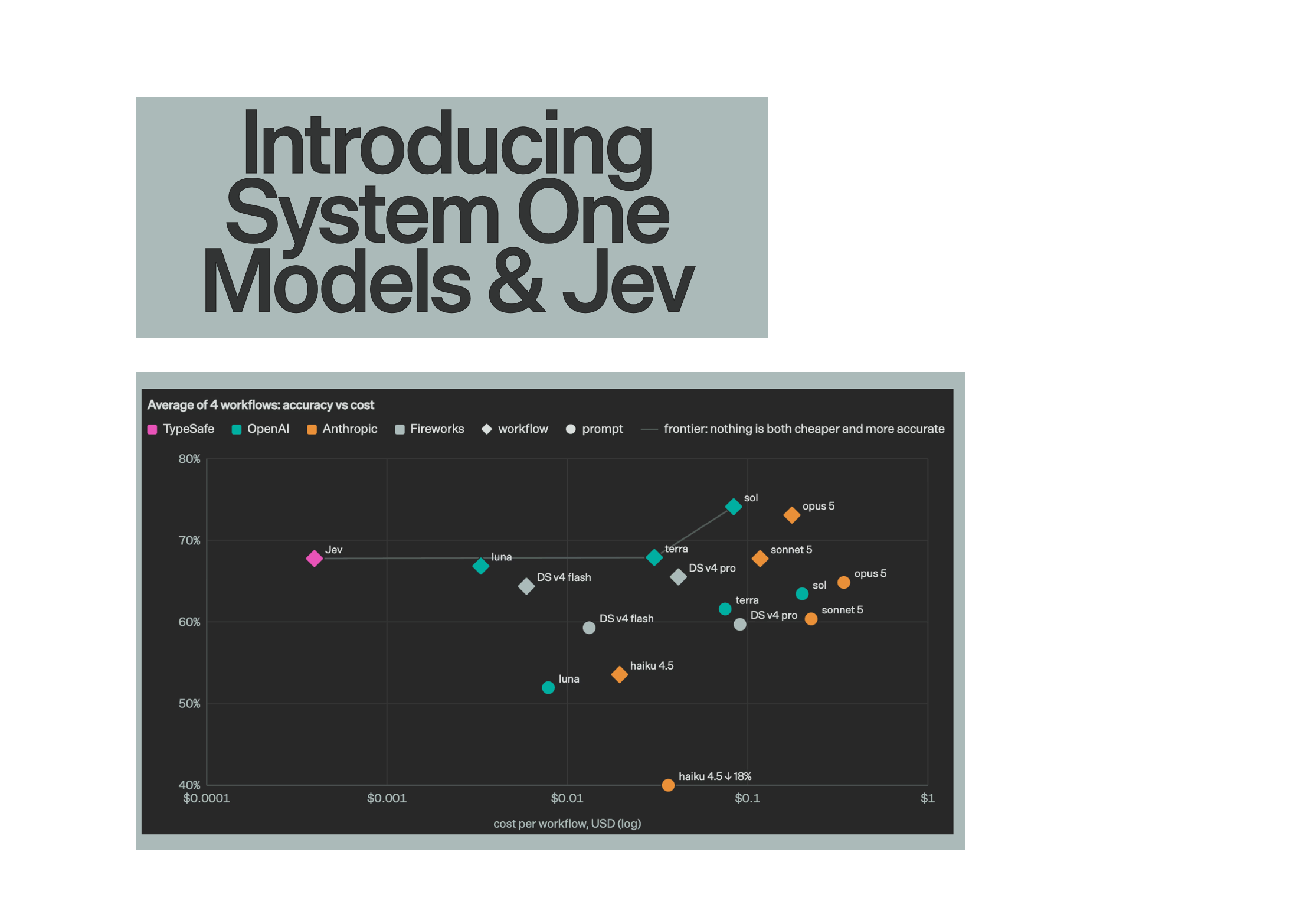
Artificial Lawyer walks through SOMs (System One Models), which return raw probabilities like {spam: 95%; not_spam: 5%} instead of natural language. The first SOM, Jev, was released by TypeSafe AI on 15 Sept; Cloudflare's Clef followed on 1 Oct.
Vercel Blog·1 hour ago
Anthropic launches Claude Frontier Academy with $100M commitment
Anthropic is committing $100 million to train 10,000 Frontier Deployed Engineers by the end of 2027 through its new Claude Frontier Academy. First cohorts include engineers from Accenture, Bain, Capgemini, Deloitte, McKinsey, Morgan Stanley and Novo Nordisk.
Anthropic News·1 hour ago
Chatham Financial cuts trade validation from 30 minutes to under 4 with Codex and GPT-5.6
Chatham Financial uses OpenAI's Codex and GPT-5.6 to build technology and redesign workflows, cutting trade validation time from 30 minutes to under 4.
OpenAI Blog·1 hour ago
Apple tightens macOS Full Disk Access over AI agent risks
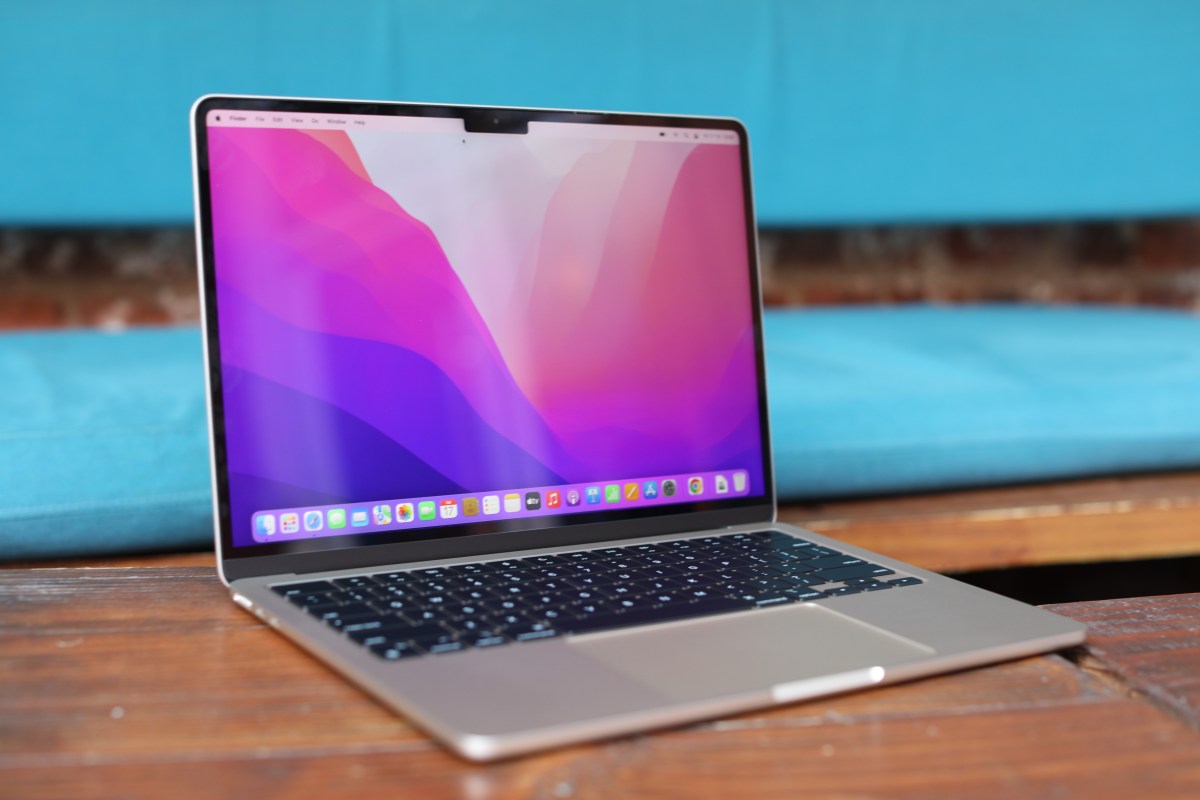
Apple will require "very explicit user action" before an app can be granted Full Disk Access, which exposes files, mail, messages, and browsing history. The move follows an Inc. columnist's claim that Meta's Muse app read his private messages, which Meta disputed, and a Wired report on a ChatGPT Mac app flaw.
TechCrunch·1 hour ago