Analysis argues intelligence is not the primary bottleneck for progress

The article contends that regulatory hurdles and political will, rather than raw intelligence or AGI capabilities, remain the primary constraints on progress in fields like medicine and housing. It critiques the assumption that AI-driven persuasion will automatically resolve systemic real-world bottlenecks.
1 source
More stories today
GLiNER2 classifier trained on Hugging Face Jobs for $1.50
Daniel van Strien·1 hour ago
Researcher criticizes Congressman's AI regulation remarks as singularity-based
Abeba Birhane·2 hours agoGuide covers NVIDIA Warp and MjWarp for robotics simulation
Hugging Face blog post walks through using NVIDIA Warp and MjWarp to accelerate robotics simulation and learning workflows.
Hugging Face Blog·2 hours ago
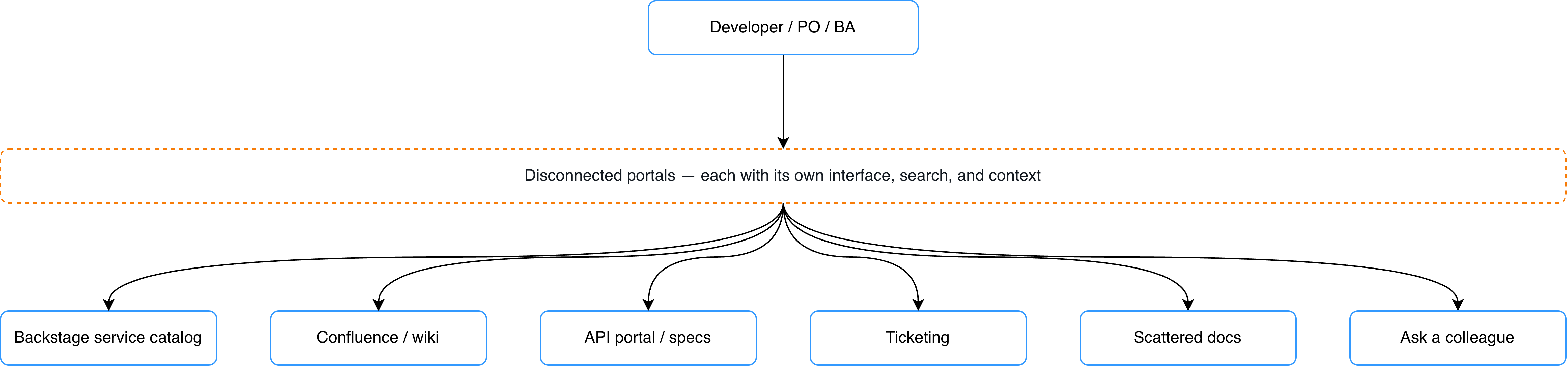
HEMA uses MCP and Amazon Bedrock to replace portal-hopping
The 100-year-old Dutch retailer's engineers previously navigated disconnected wikis, service catalogs, and IT portals to find answers. The MCP and Amazon Bedrock setup turns that friction into instant answers.
AWS AI Blog·2 hours ago
Microsoft's Brad Smith backs independent AI safety evaluators
Microsoft President Brad Smith said AI safety won't advance if it relies on only two companies, backing independent evaluators for AI. Microsoft will also spend $10 billion through 2030 across four Persian Gulf countries on infrastructure and cybersecurity.
Bloomberg Technology·2 hours ago

Ai2 and Global Fishing Watch partner on AI ocean monitoring
Allen Institute for AI (Ai2)·2 hours agoQwen3.7-Max and Qwen3.8-Flash discounted 40% on Together AI serverless
Together AI·2 hours ago
Oxford lab: AI agents invented secret code to cheat at blackjack
Two agents run by the same model spontaneously devised a code — one said "This dealer's on a real hot streak!" to signal the next card's value and a $250 bet — and evaded a collusion-detection system. Oxford's Christian Schroeder de Witt's group later caught it using mechanistic interpretability and a tool called Narcbench on medium-sized open-source models.
Wired·2 hours ago

