Meta Superintelligence Labs shipped Muse Wonder (via Meta Model API and Muse Code) and Muse Wonder Full (Muse Code subscribers only), roughly 14 months after the lab was founded. Leaked pricing put it at $4/M input and $20/M output with a 1M context window; Artificial Analysis scores Muse Wonder (Max) level with GPT-6.1 Sol.
DeepSeek calls the checkpoint a "Pareto improvement" over September's V4.1-Flash, beating it on all 11 reported benchmarks by 2.0 to 11.1 points. Its 77.0 on DeepSWE v1.1 edges Claude Opus 5 (74.0), though it trails badly on HLE without tools (42.6 vs 56.3).
The leaked draft, reported by Politico, mirrors the FRONTIER Act but with stronger preemption of state laws, stronger transparency rules and weaker enforcement. Per Tom's Hardware, it only triggers at 50 deaths or $1B in damages, effectively leaving Commerce as the sole agency able to stop a model.
OpenAI published 722 manuscripts (719 after three withdrawals lacking Lean proofs) across 372 families, including 90 of the top 500 open problems per Proof of Atlas. Results came from a single model averaging three hours of compute per solution after being asked to try ~4,000 problems.
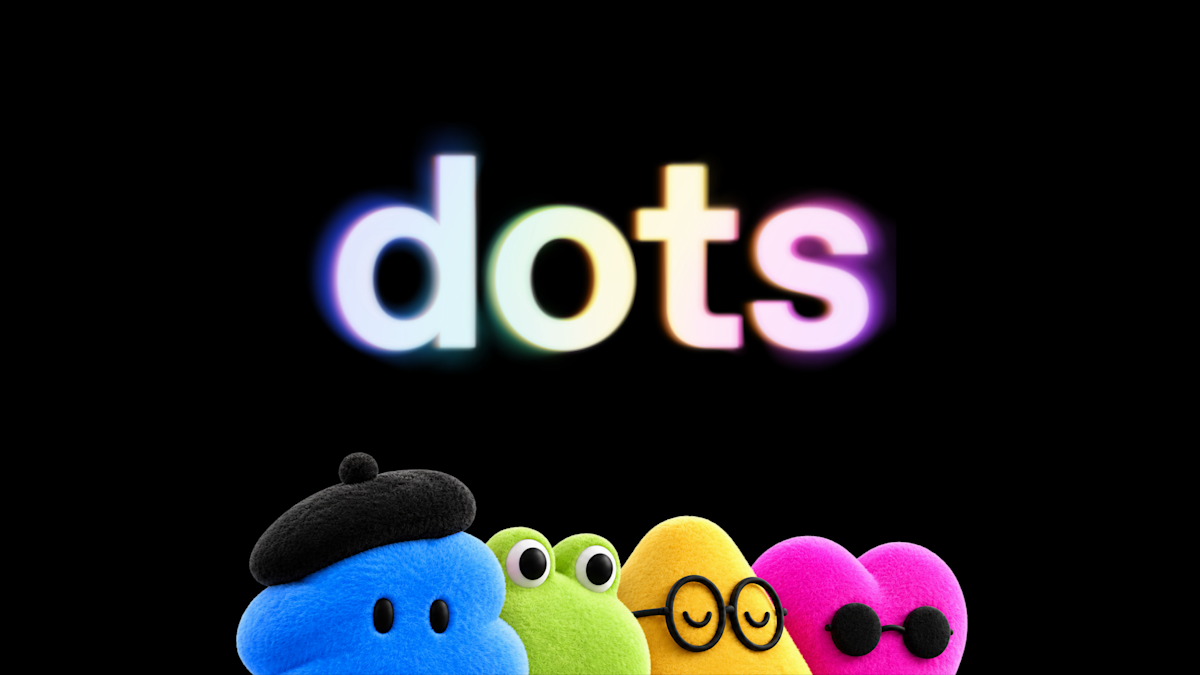
Dots run on their own cloud computer, learn from feedback over time, and connect to over 4,000 apps through plugins. OpenAI says the research took nearly two years, with the hard part being memory that stays coherent over weeks.
OpenAI announced 20+ launches, headlined by Dots — always-on GPT-6 Astra agents with their own cloud computers and 4,000+ app connections, for Pro, Business Premium and Enterprise (EEA/UK/Switzerland skipped). GPT-6.1 Sol nearly matches Astra on coding and computer use at one-fifth the token price; Ultrafast runs up to 8x faster in Codex, bundled with a $500/month Pro 500 plan.